INTERACTIVE BATTLE
Siege of Tanabe Castle
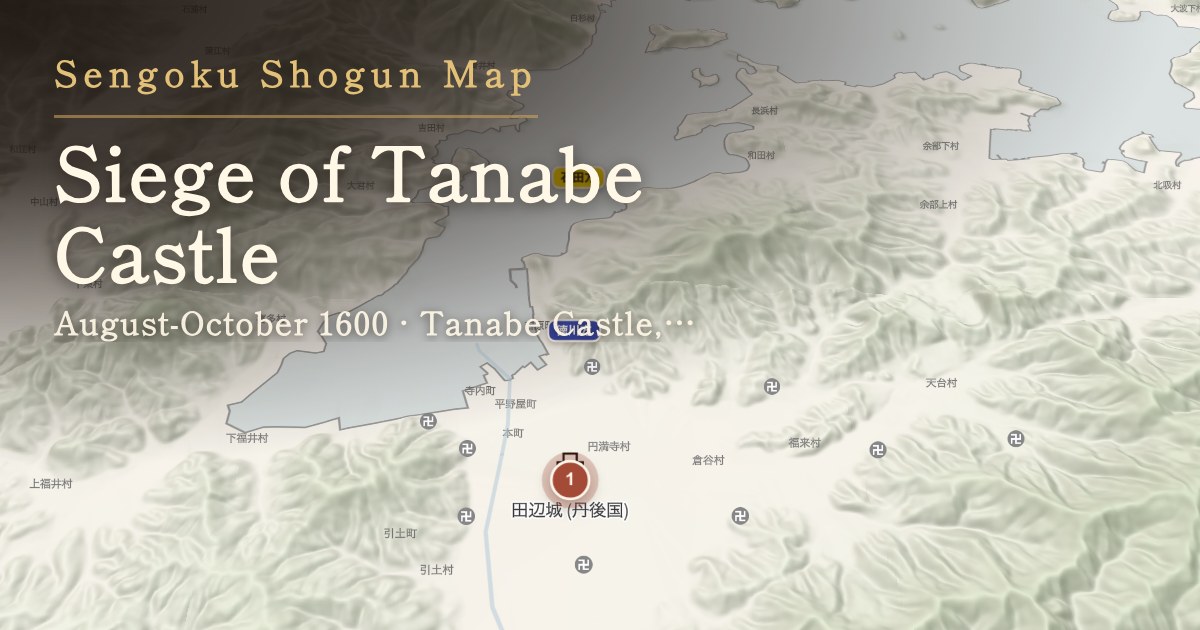
August-October 1600 · Tanabe Castle, Tango Province
In 1600, Hosokawa Yūsai held Tanabe Castle in Tango Province (present-day Maizuru, Kyoto Prefecture) with about 500 men and pinned down a Western force said to number about 15,000 for 52 days. He surrendered at the urging of the imperial court, and three days later the Battle of Sekigahara took place.
徳川方: Hosokawa Fujitaka / 石田方: Ishida Mitsunari
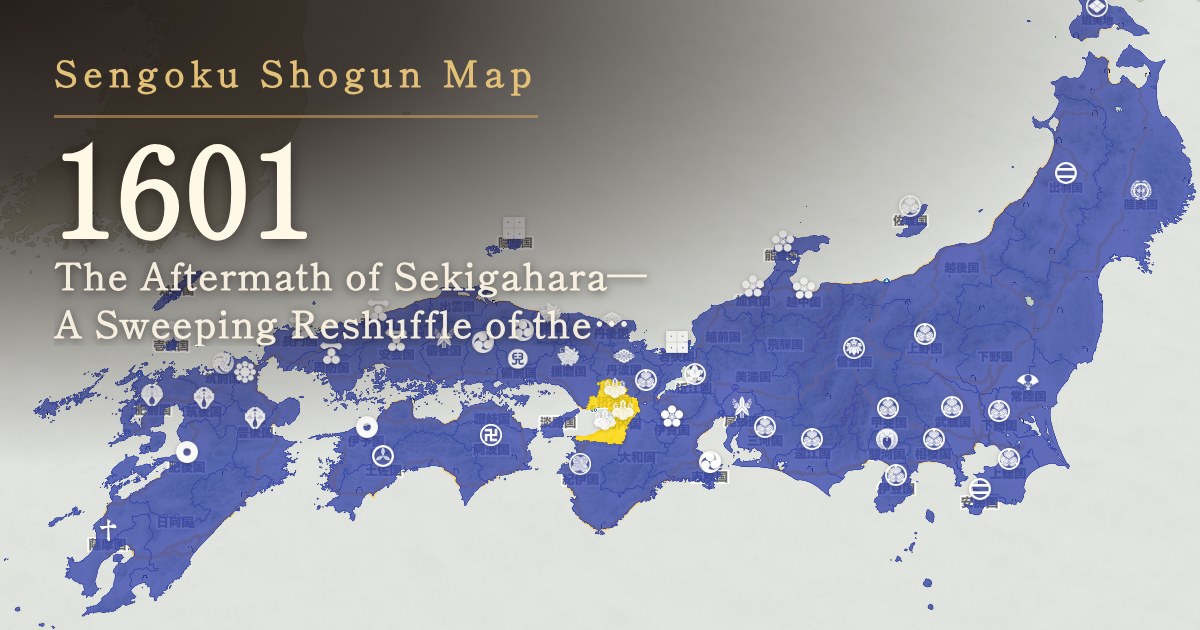
Explore the 1600 map
Change the year to watch territories shift
Background
Hosokawa Tadaoki, lord of Tango, had followed Ieyasu on the Aizu campaign. Tango was attacked in his absence on Mitsunari's orders, and his father Yusai burned the other castles and shut himself in Tanabe with about 500 men against a reported 15,000.
Outcome
The imperial court urged surrender, and Yūsai handed over the castle, ending the 52-day siege. The Hosokawa were credited with Tadaoki's efforts, and also with the fact that Yūsai kept the 15,000 enemy troops from joining the Battle of Sekigahara. The family was moved from 120,000 koku in Tango to 390,000 koku in Buzen and Bungo, a gain in holdings.
Course of the battle
1 August 1600
The Western army enters Tango
With Hosokawa Tadaoki away on the Aizu campaign, Tango was attacked on Mitsunari's orders. Yusai burned the other castles and shut himself in Tanabe.
Burned other castles and retreated to Tanabe Castle.
Sources
Sources1·Certainty: High
2 October 1600
The castle opens at the court's urging
The imperial court, valuing Yūsai as the heir to the Kokin denju, urged the castle to surrender.
Lifted the 52-day siege of Tanabe Castle at the imperial court's urging.
Sources
Sources1·Certainty: High
Historical significance
Together with the siege of Ōtsu Castle, it was a siege that drew away Western troops who were bound for the main battlefield at Sekigahara. The imperial court was reluctant to lose Yūsai, the holder of the Kokin denju (the secret transmission of the Kokinshū), and that led to the end of the fighting.
Advertisement
Key figures
徳川方
1

Defender of Tanabe Castle
Tadaoki's father, known as Yusai; he burned the other castles, held Tanabe for 52 days with some 500 men, and surrendered at the court's urging as holder of the Kokin denju.
Sources
Sources1·Certainty: High
石田方
1
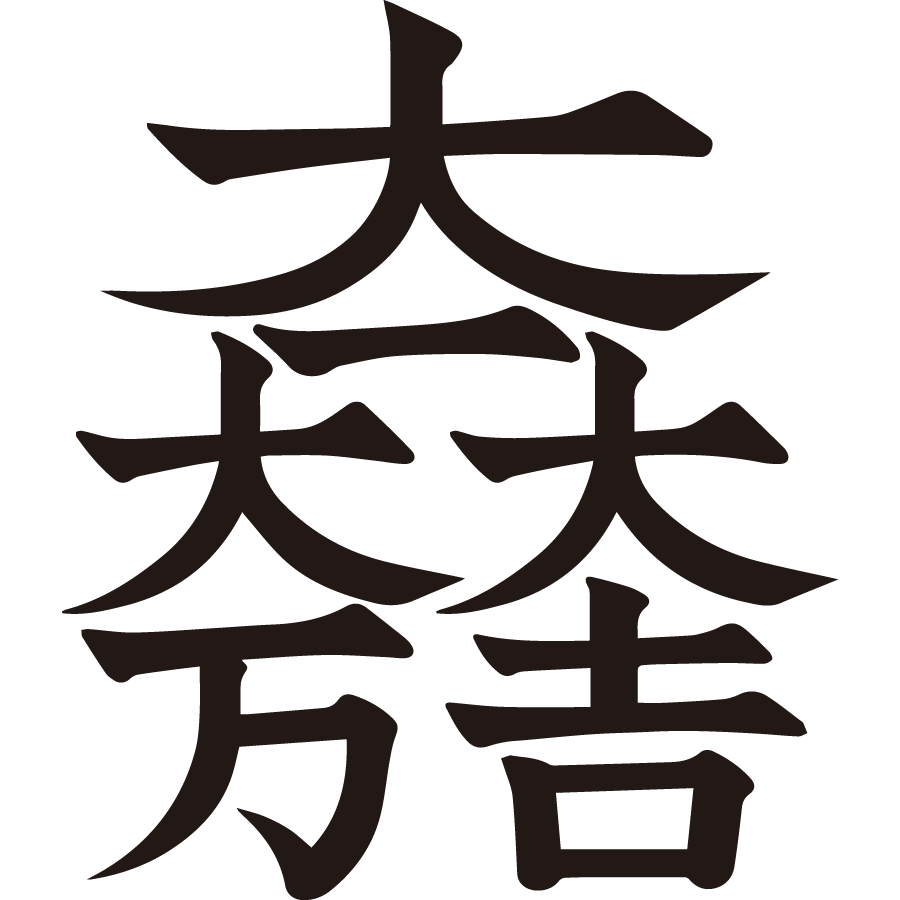
Ordered the attack on Tango
He ordered the attack on Tango while Hosokawa Tadaoki was away on the Aizu campaign.
Sources
Sources1·Certainty: Medium
Other events of 1600
Notes on the data
Maizuru City gives the siege as 52 days from the 21st day of the 7th month to the 12th day of the 9th month; another account puts the opening on the 19th. The Gregorian dates are therefore kept to the month.
Sources consulted
- 舞鶴市「舞鶴ふるさと発見館(郷土資料館)だより 令和4年9月号」
The numbers in the text refer to the list above. Certainty indicates how far a statement is supported by the cited sources; it does not refer to the precision of the coordinates or the dating.
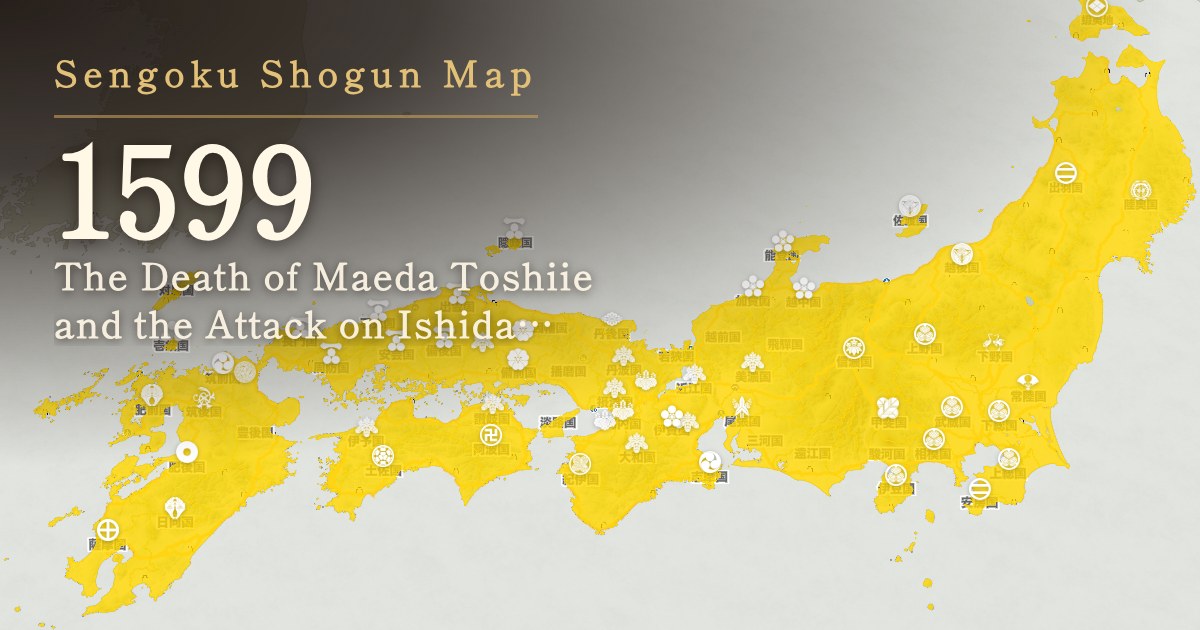
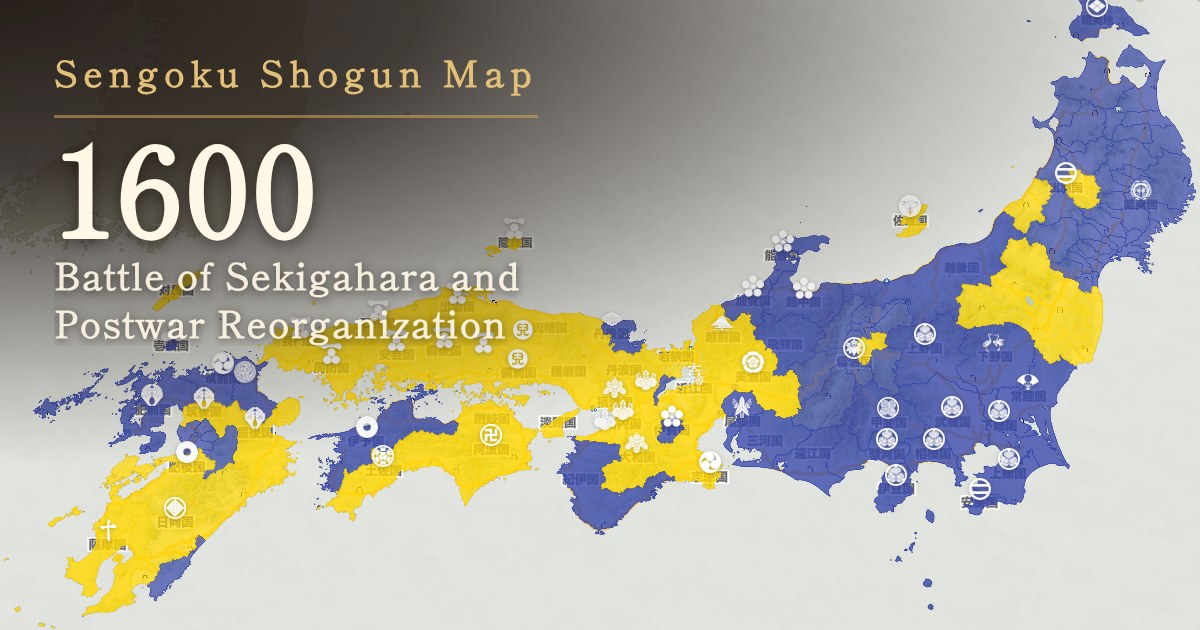
Territories before and after the battle
The year before, the year of the battle, and the year after, side by side. Tap a map to open that year.
Advertisement