INTERACTIVE BATTLE
Siege of Gifu Castle
29-30 September 1600 · Gifu Castle, Mino Province
On 29–30 September 1600, as a prelude to the Battle of Sekigahara, the Eastern vanguard, including Fukushima Masanori and Ikeda Terumasa, attacked Gifu Castle in Mino Province (present-day Gifu City) and forced its lord, Oda Hidenobu, who had sided with the Western army, to surrender.
徳川方: Fukushima Masanori, Ikeda Terumasa, Asano Yoshinaga / 石田方: Sanbōshi
Explore the 1600 map
Change the year to watch territories shift
Background
Oda Hidenobu, Nobunaga's grandson and lord of Gifu, sided with the Western army in the preliminaries to Sekigahara. His castle guarded the approach east of Ogaki, Mitsunari's headquarters, and the Eastern vanguard attacked it as it advanced west.
Outcome
After fierce fighting, Gifu Castle fell and Hidenobu surrendered. It is said that the castle's keep and turrets were later moved to Kanō Castle.
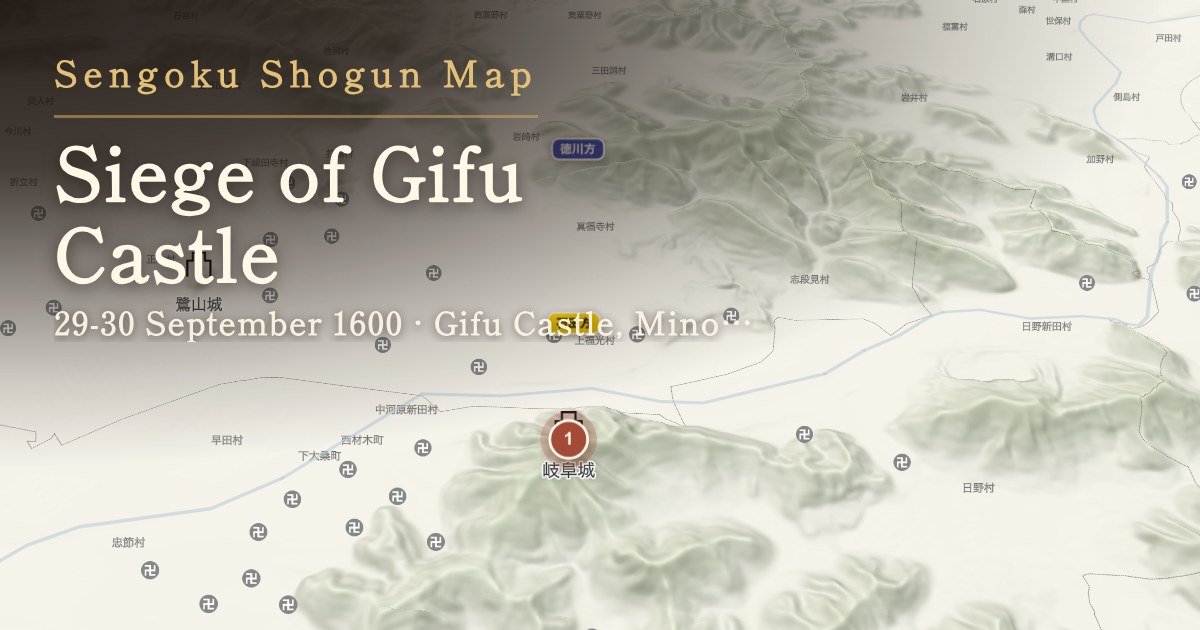
Course of the battle
1 29 September 1600
The Eastern army closes on Gifu Castle
Because Oda Hidenobu, Nobunaga's grandson, had sided with the Western army, the advancing Eastern vanguard attacked Gifu Castle.
Joined the assault on Gifu Castle as a vanguard.
Advanced as a vanguard alongside his father Nagamasa.
As lord of Gifu Castle, repelled the Eastern Army's attack.
Sources
Sources123·Certainty: High
Historical significance
With the loss of its eastern anchor in Mino, the Western army was forced onto a defense centered on Ōgaki Castle. After this, the main Eastern force moved on toward Akasaka and Sekigahara. The so-called 'blood ceiling' in the main hall of Sūfuku-ji is explained as a ceiling made from the floorboards of Gifu Castle, which fell in this battle, to mourn the dead.
Advertisement
Key figures
徳川方
3

Eastern vanguard
Took part in the assault on Gifu Castle as part of the Eastern vanguard.
Sources
Sources12·Certainty: High

Eastern vanguard
He is said to have been first into the second bailey.
Sources
Sources12·Certainty: Medium

Eastern vanguard
Joining the Eastern army with his father Nagamasa, he served in the vanguard that took the castle.
Sources
Sources12·Certainty: Medium
石田方
1
Lord of Gifu Castle
Nobunaga's grandson; he held Gifu for the Western army and surrendered after heavy fighting.
Sources
Sources12·Certainty: High
Other events of 1600
Notes on the data
The dates in the sources follow the lunar calendar (Keichō 5, 8th month, 22nd–23rd days). The Gregorian-era dates of 29–30 September 1600 are the conversion given by the National Astronomical Observatory of Japan's Japanese calendar database.
Sources consulted
- 岐阜観光コンベンション協会「岐阜城」
- 岐阜市「岐阜城跡」
- 城郭マスタ(shiro.geojson)
The numbers in the text refer to the list above. Certainty indicates how far a statement is supported by the cited sources; it does not refer to the precision of the coordinates or the dating.
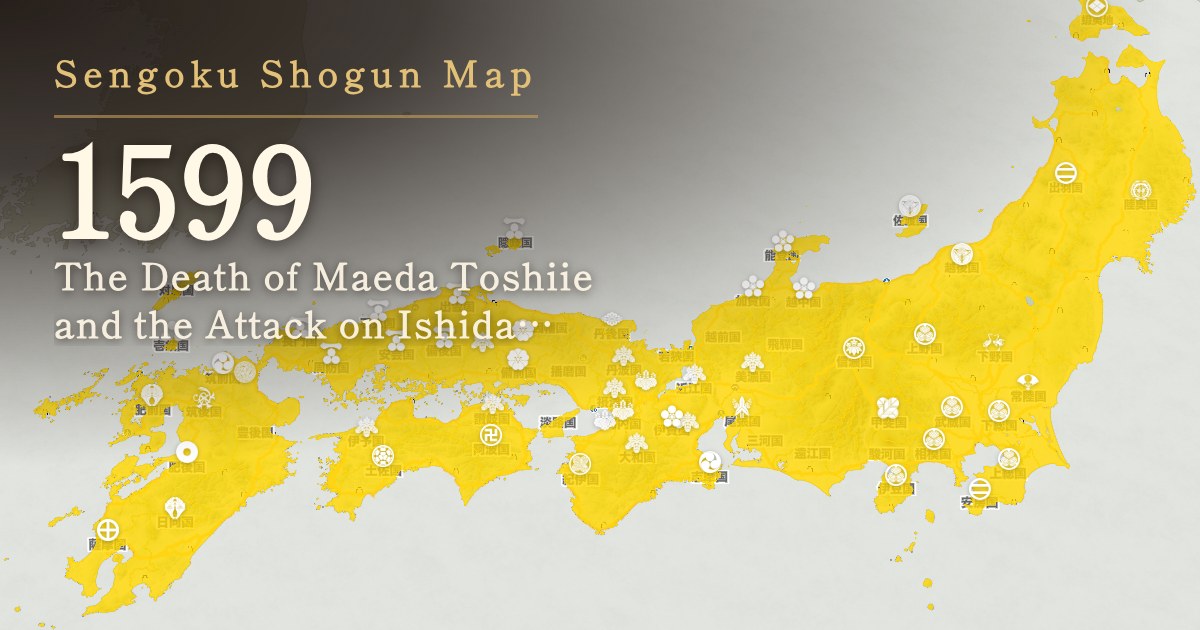
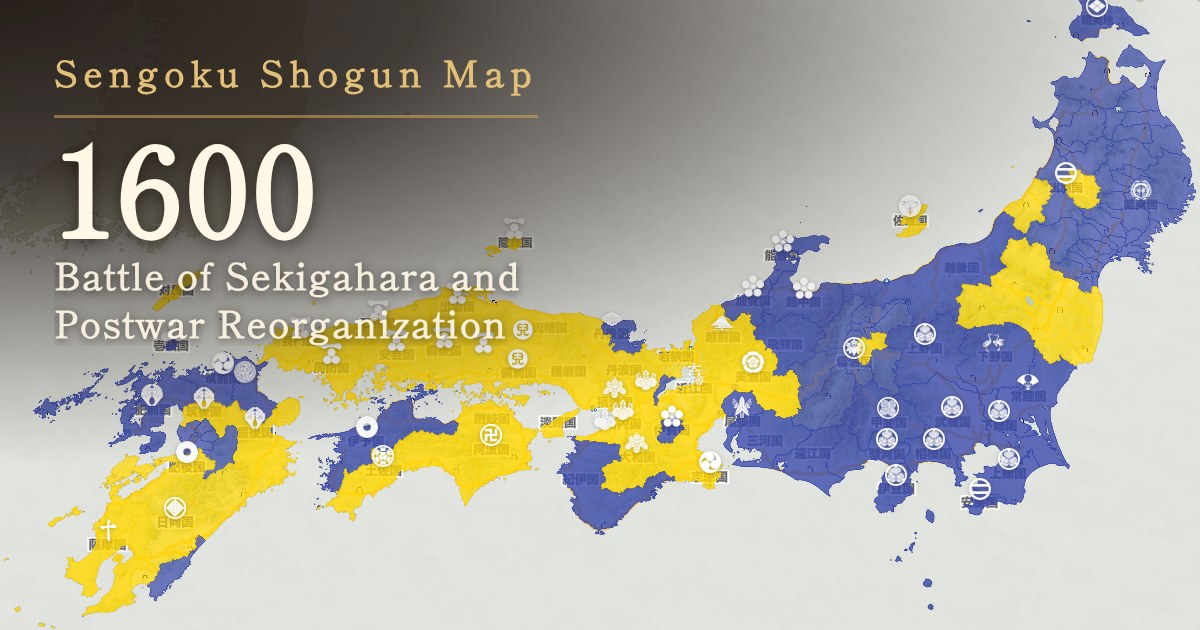
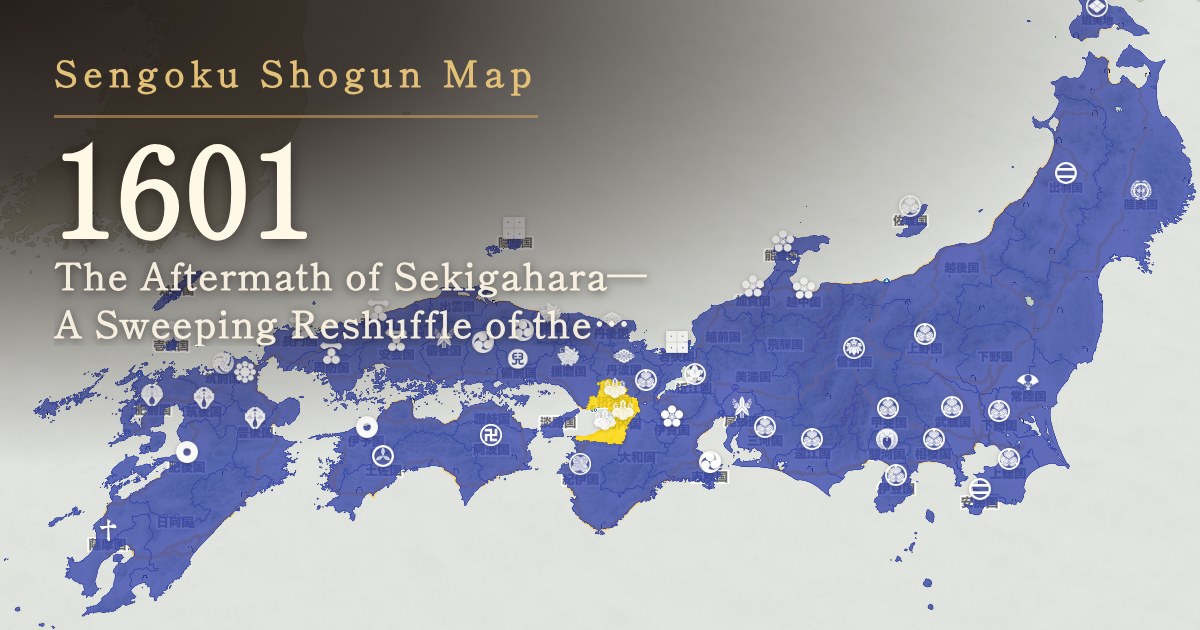
Territories before and after the battle
The year before, the year of the battle, and the year after, side by side. Tap a map to open that year.
Advertisement