INTERACTIVE BATTLE
Battle of Eguchi
3rd to 6th month, Tenbun 18 (March–June 1549) · Eguchi, Settsu Province
Miyoshi Nagayoshi defeated Hosokawa Harumoto and Miyoshi Masatoshi at Shijima Castle and Enanami Castle, defeated Masatoshi at Eguchi, and seized hegemony.
Background
In the 3rd month of Tenbun 18 (1549), Hosokawa Harumoto and Miyoshi Masatoshi (also known as Sōzō) attempted to intercept Miyoshi Nagayoshi's army as it advanced toward the Nakajima region, making their stand at Shijima Castle. The castle fell, and Masatoshi's forces retreated to Enanami Castle, which Masatoshi himself had built in Tenbun 2 (1533); he entrusted the castle to his son Masatsugu.
Outcome
Nagayoshi's forces merely contained the formidable Enanami Castle rather than assaulting it, while Masatoshi himself advanced to the Eguchi region. In the 6th month of the same year, attacked by Sogō Kazumasa and others, Masatoshi was killed in action and Masatsugu fled. Records from Osaka assess this battle as having 'hastened the fall of the Hosokawa clan head house.'
Course of the battle
1 3rd month, Tenbun 18 (March 1549)
Battle of Shijima Castle
Attempting to block Miyoshi Nagayoshi's army as it advanced toward the Nakajima region, Hosokawa Harumoto and Miyoshi Masatoshi (also known as Sōzō) made their stand at Shijima Castle. The castle fell.
Intercepted at Shijima Castle but it fell
Intercepted at Shijima Castle but it fell
Sources15·Certainty: High
2 Tenbun 18 (1549), day and month uncertain
Retreat to Enanami Castle
After their defeat at Shijima Castle, Miyoshi Masatoshi's forces retreated to Enanami Castle, which was defended by his son Masatsugu. Nagayoshi's forces, regarding Enanami as impregnable, merely contained it.
Retreated to Enanami Castle
Remained as garrison commander of Enanami Castle
Sources235·Certainty: High
3 6th month, Tenbun 18 (June 1549)
Battle of Eguchi—Main Engagement
Miyoshi Masatoshi, who advanced from Enanami Castle to the Eguchi region, was attacked by Sogō Kazumasa and others and was killed in action; his son Masatsugu fled.
Points of debate
The specific date of the final engagement ('24th day of the 6th month') and the precise circumstances of Masatoshi's death (slain in action or drowned) are found only in private records; official sources document only the month.
Advanced to the Eguchi region and was killed in action
Using the site of Shijima Castle as a base, attacked toward Eguchi
Sources25·Certainty: High
Historical significance
The Battle of Eguchi gave Miyoshi Nagayoshi hegemony over the Kinai region. However, he did not completely eliminate the shogun and kanrei; subsequently, he administered his domain from bases at Akutagawa Castle (1553) and Iisao Castle (1560).
Advertisement
Key figures
三好氏
2

Commander-in-chief
Captured Shijima Castle, besieged Enanami Castle, and subsequently secured hegemony over the Kinai region.
Sources2·Certainty: High

Nagayoshi's brother, main force of Eguchi attack
Using the site of Shijima Castle as a base, attacked Miyoshi Masatoshi who had advanced to the Eguchi region and killed him in action.
Sources2·Certainty: High
細川澄元方
3
Intercepted at Shijima Castle
Along with Masatoshi, defended Shijima Castle against Nagayoshi's forces but the castle fell.
Sources1·Certainty: High
Commander of Shijima Castle, killed in action at Eguchi
Defeated at Shijima Castle and retreated to Enanami Castle. Later advanced to the Eguchi region, was attacked by Sogō Kazumasa and others, and was killed in action.
Sources12·Certainty: High
Masatoshi's son, garrison commander of Enanami Castle
Entrusted to defend Enanami Castle but fled after Masatoshi's death in action.
Sources2·Certainty: High
Other events of 1549
Notes on the data
The specific date of the decisive encounter ('24th day of the 6th month') and the precise circumstances of Masatoshi's death (slain in action or drowned) are found only in private records; official sources confirm only 'the 6th month' and that 'Masatoshi, who had advanced to the Eguchi region, was attacked and killed.' Therefore, this text maintains month-level precision. The withdrawal of Harumoto and the shogun's faction to Ōmi (and subsequent political developments) could not be verified from available sources and is not included on this page.
Sources consulted
- 大阪市東淀川区「東淀川区の名所・旧跡」(柴島城址)
- 大阪市「57.榎並猿楽発祥の地・榎並城跡伝承地」
- 大阪市城東区「榎並猿楽発祥の地・榎並城跡伝承地の碑」
- 大阪市「大阪市顕彰史跡」(江口の里)
- 城郭マスタ(shiro.geojson)
The numbers in the text refer to the list above. Certainty indicates how far a statement is supported by the cited sources; it does not refer to the precision of the coordinates or the dating.
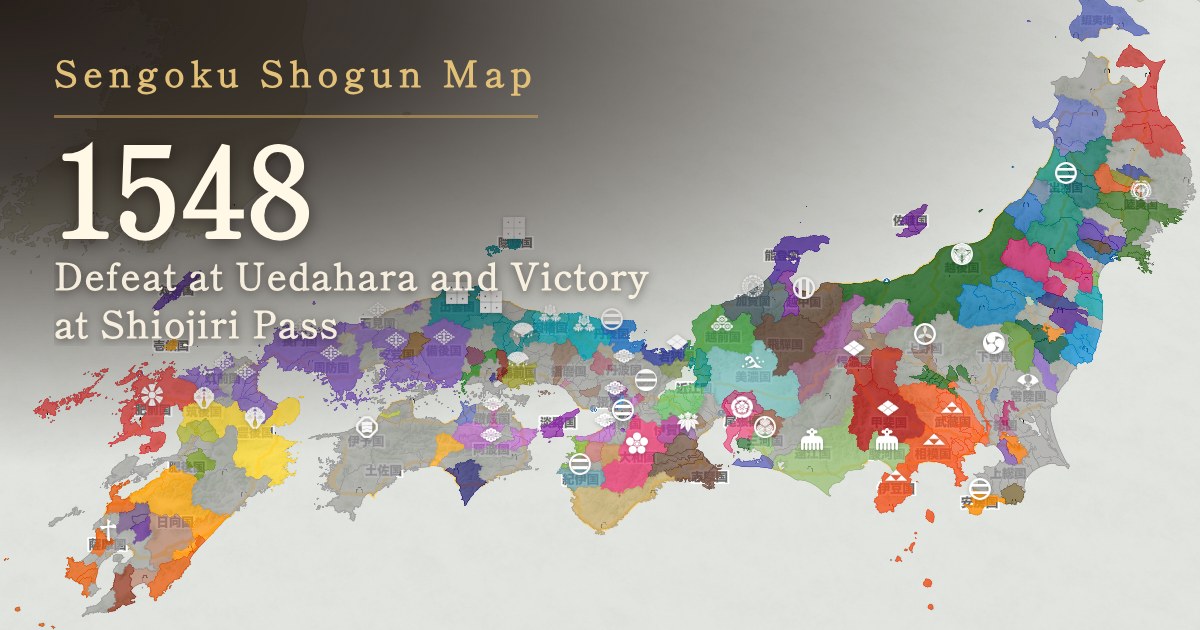
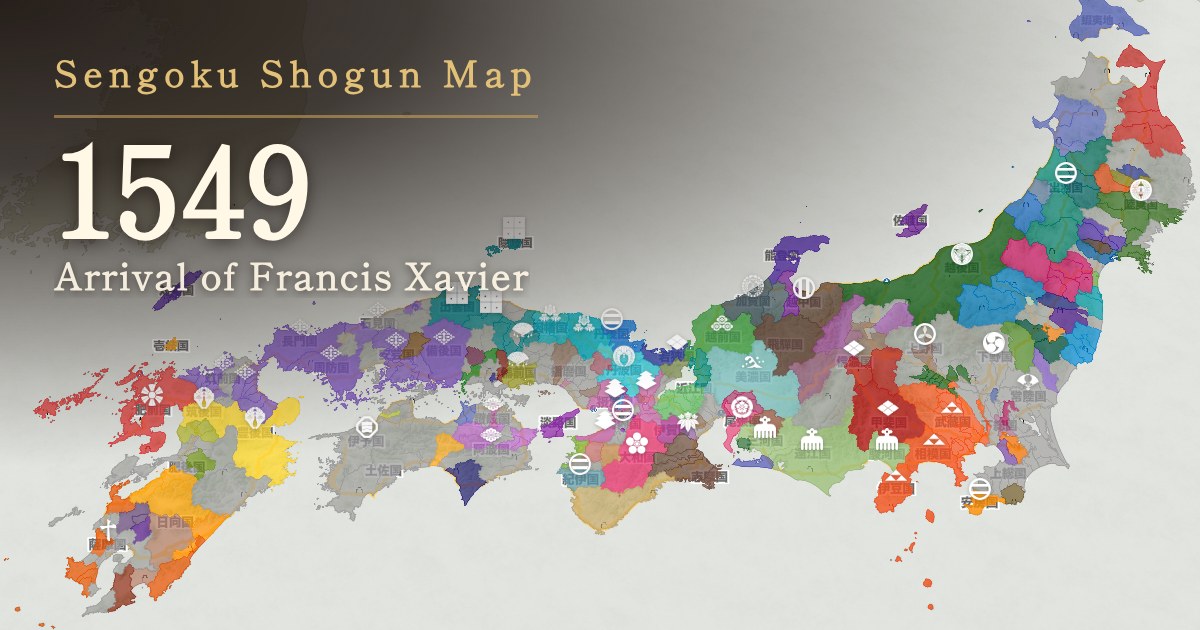
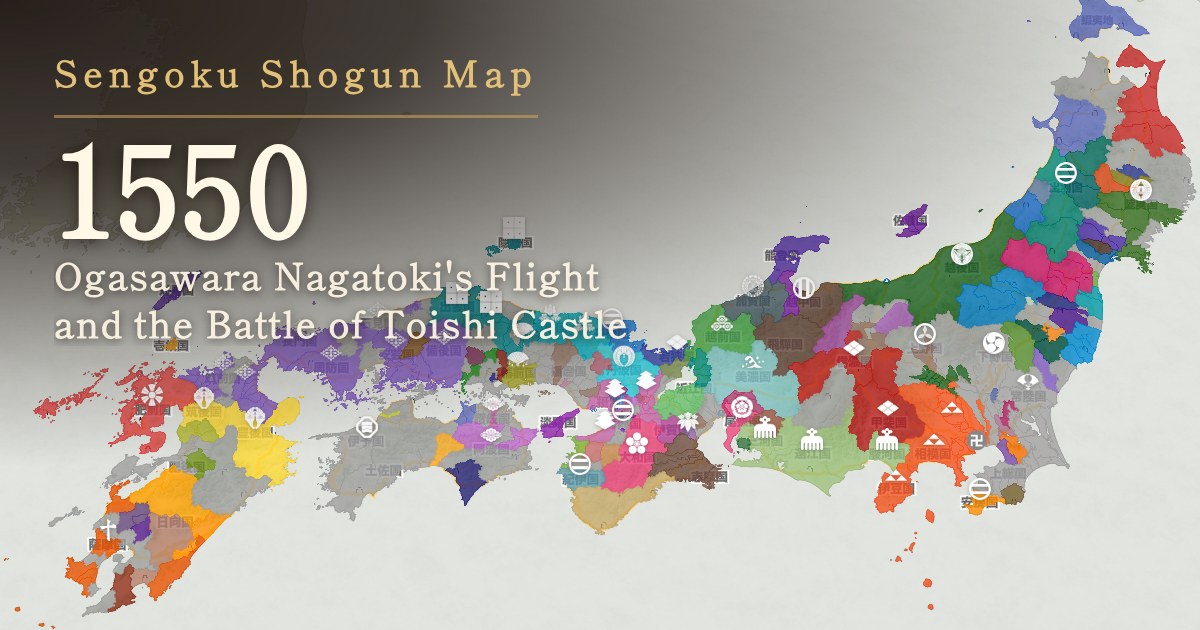
Territories before and after the battle
The year before, the year of the battle, and the year after, side by side. Tap a map to open that year.
Advertisement