INTERACTIVE BATTLE
Battle of Mikatagahara
25 January 1573 · Mikatagahara and Saigagake, Totomi Province
On January 25, 1573 (December 22, Genki 3, by the old calendar), outside Hamamatsu Castle in Tōtōmi Province, at Mikatagahara, Takeda Shingen defeated Tokugawa Ieyasu. Ieyasu fled back to Hamamatsu Castle.
武田氏: Takeda Shingen, 山県昌景, Baba Nobuharu / 徳川氏: Tokugawa Ieyasu, 酒井忠次, Honda Tadakatsu / 織田氏: Sakuma Nobumori, 平手汎秀
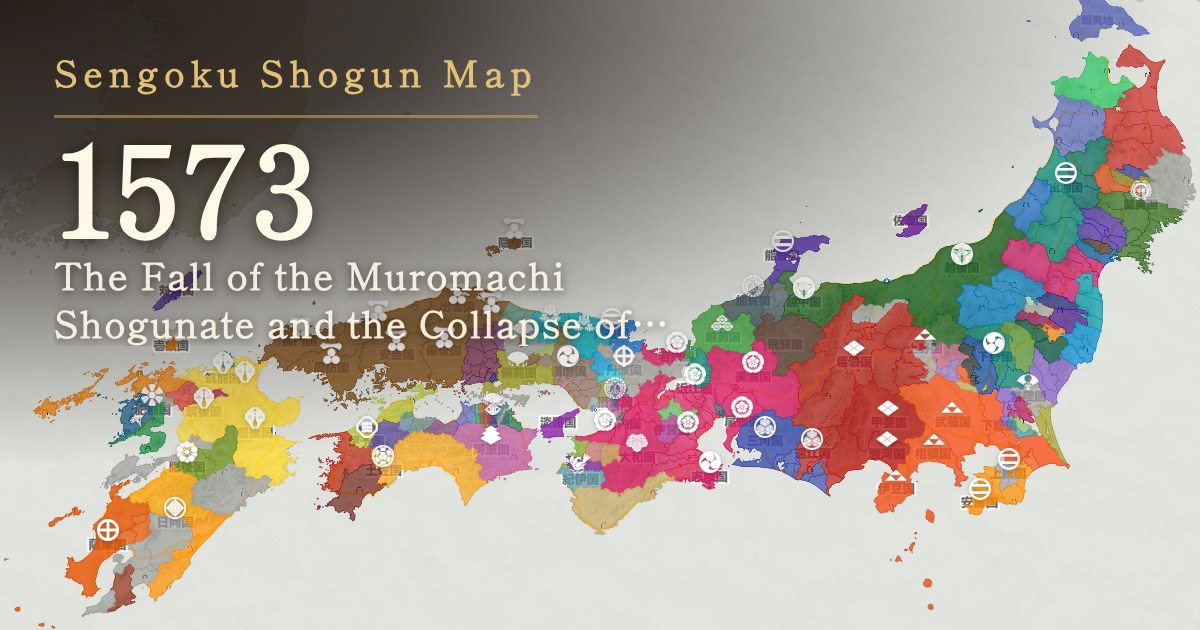
Explore the 1573 map
Change the year to watch territories shift
Background
Shingen moved west with the aim of confronting Oda Nobunaga (the Western Advance), and entered the Tokugawa domains in Tōtōmi and Mikawa Province. Ieyasu held Hamamatsu Castle, but the difference in strength was large, and reinforcements from Oda were limited. Still, it is thought that if he had let enemies pass through his territory, he would have lost the trust of the kokushū and his retainers, so he could not keep holding out in the castle.
Outcome
The Tokugawa army collapsed. It lost several prominent retainers, and Ieyasu fled back to Hamamatsu Castle with only a few attendants.
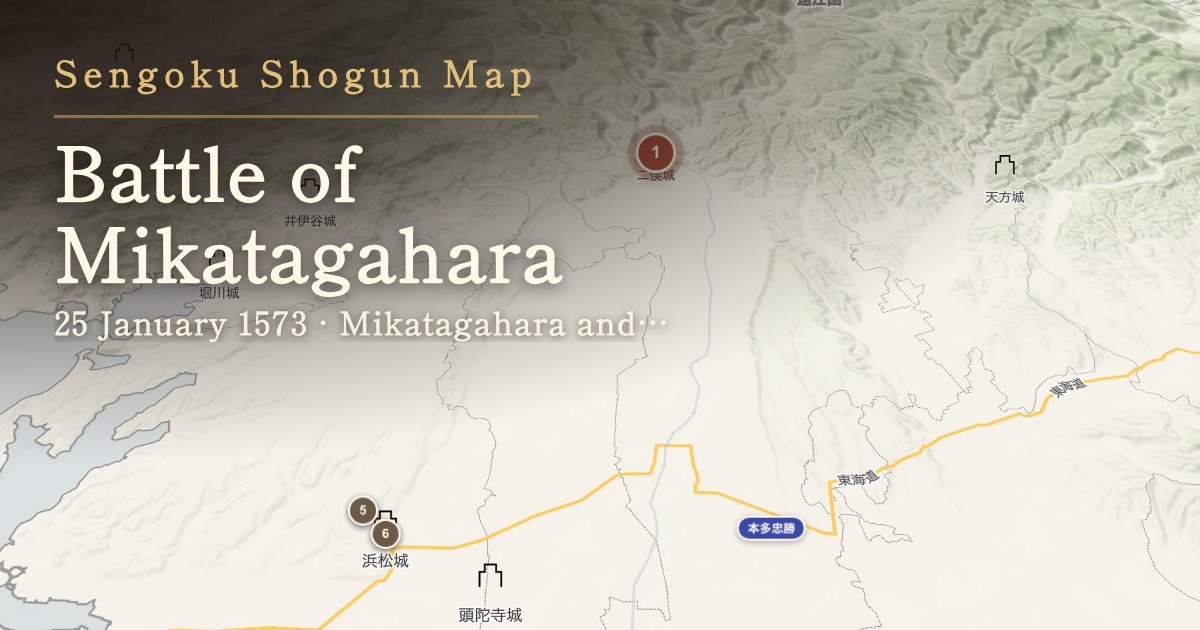
Course of the battle
1 November–December 1572
Takeda Shingen invades Totomi
Shingen left Kofu and entered the Tokugawa lands of Totomi. He drove back the Tokugawa at Hitokotozaka and closed on Futamata castle.
Sources differ – details
Points of debate
The departure is said to fall in the tenth month of the old calendar, but the month in the Gregorian calendar is not clear.
Sources12·Certainty: Medium
2 22 January 1573
Futamata castle falls
Cut off from its water supply, Futamata castle surrendered after two months under siege. The key position in northern Totomi passed to the Takeda.
Joins the attack on Futamata castle
Sources
Sources12·Certainty: Medium
3 25 January 1573
The Takeda pass by Hamamatsu castle
Leaving Futamata, the Takeda marched west without attacking Hamamatsu castle. Ieyasu, who should have stayed behind its walls, saw the move and came out.
Leaves Hamamatsu castle in pursuit
Sources differ – details
Points of debate
Views differ on whether he took the bait or was refusing to let his province be crossed unopposed.
Sources12·Certainty: Disputed
4 evening, 25 January 1573
The Tokugawa break on Mikatagahara
The Takeda army, waiting on the tableland, attacked the Tokugawa army as it came in pursuit. Before the Takeda offensive, the Tokugawa army collapsed.
Sources differ – details
Points of debate
Accounts differ on the formations: the explanation that the Takeda used the fish-scale (gyorin) formation and the Tokugawa the crane-wing (kakuyoku) formation varies by source.
Sources13·Certainty: Medium
5 night of 25 January 1573
A night raid at Saigagake
The routed Tokugawa are said to have raided the Takeda resting near Saigagake after dark, and many men and horses to have fallen down the ravine.
Joins the night raid at Saigagake
Sources differ – details
Points of debate
The tale of the cloth bridge is heavily coloured by tradition.
Sources13·Certainty: Traditional account
6 night of 25 January 1573
Ieyasu escapes back to Hamamatsu castle
Ieyasu returned with a handful of men and is said to have left the gates standing open. The Takeda did not attack the castle and went on west.
Flees back to Hamamatsu castle
Sources differ – details
Points of debate
The story told as the "empty castle ruse" owes much to later retelling.
Sources12·Certainty: Traditional account
Historical significance
It is regarded as one of the worst defeats of Ieyasu's life, and a battle in which he learned the strength of the Takeda army firsthand. Shingen died of illness the following year, and the Western Advance ended halfway.
Advertisement
Key figures
武田氏
3

Commander-in-chief of the Takeda
Entered Totomi on his march west and beat the Tokugawa at Mikatagahara.
Sources
Sources1·Certainty: Medium
Takeda commander
Led a division of the Takeda army.
Sources
Sources1·Certainty: Medium

Takeda commander
Served in the invasion of Totomi, taking Tadaraki castle among others.
Sources
Sources1·Certainty: Medium
徳川氏
3

Commander-in-chief of the Tokugawa
Left Hamamatsu castle in pursuit, was heavily beaten, and fled back to the castle.
Sources
Sources1·Certainty: Medium


Tokugawa commander
Known for holding the rear at Hitokotozaka.
Sources
Sources1·Certainty: Medium
織田氏
2
Oda relief force
Led the relief force sent by Nobunaga.
Sources
Sources1·Certainty: Medium
Oda relief force
Joined as part of the relief force and is said to have been killed at Mikatagahara.
Sources
Sources1·Certainty: Medium
Other events of 1573
Notes on the data
Dates are given in the Western (Julian) calendar. The 22nd day of the 12th month of Genki 3 falls in the following Western year, 25 January 1573; the battle is therefore filed under 1573 rather than under Genki 3 (1572), by which name it is usually known. The start of the invasion of Totomi falls in the 10th lunar month, for which no conversion could be fixed, and is given to the month only.
Sources consulted
- 浜松市「犀ヶ崖古戦場」(静岡県指定史跡)
- 城郭マスタ(shiro.geojson)
- 浜松市「犀ヶ崖古戦場」(浜松城跡の西北約1キロメートルとの記述から導出)
- 磐田市観光協会「一言坂の戦跡(古戦場)」
- 地理院地図 住所検索(静岡県磐田市一言)
The numbers in the text refer to the list above. Certainty indicates how far a statement is supported by the cited sources; it does not refer to the precision of the coordinates or the dating.
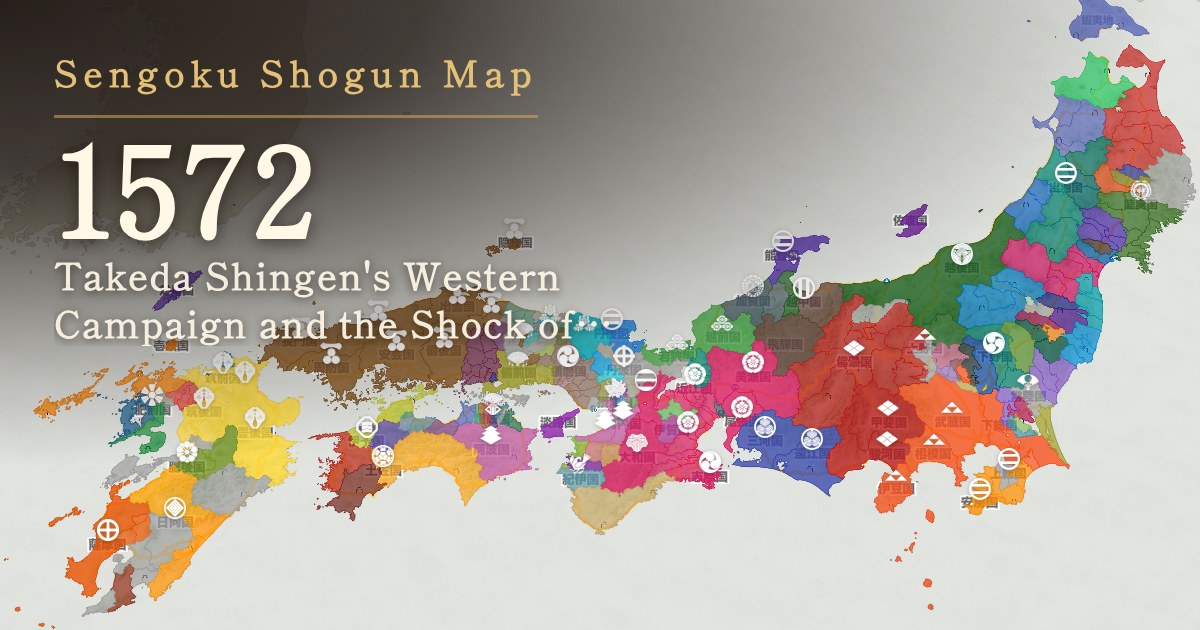
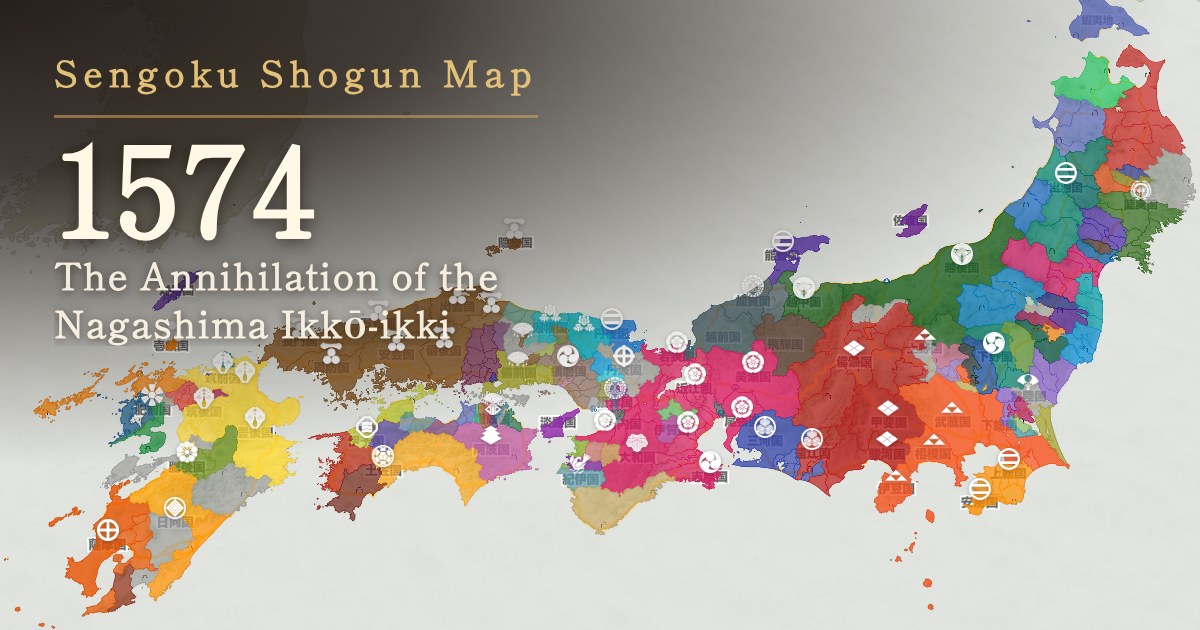
Territories before and after the battle
The year before, the year of the battle, and the year after, side by side. Tap a map to open that year.
Advertisement